Duke Energy Grid Upgrade Fight: What It Means for Homeowners
Electric cooperatives are challenging Duke Energy's multi-billion dollar grid investment plan, warning of higher rates for millions.
Duke Energy is moving forward with one of the largest proactive grid modernization plans in the Southeast — and a coalition of electric cooperatives is pushing back hard. According to Canary Media's April 2026 report, the co-ops argue the utility's accelerated upgrade schedule will pile billions of dollars in new costs onto ratepayers across the Carolinas, Florida, and Indiana — without adequate review of cheaper alternatives.
For homeowners, the takeaway is simple: your electric bill is heading higher, regardless of who wins the regulatory fight. The good news? You don't have to sit and wait. With the right combination of rooftop solar, battery storage, and state-level incentives, you can lock in stable energy costs for the next 25 years — and stop being a passive line item on someone else's grid investment plan.
What's Actually Happening With Duke's Grid Plan
Duke Energy serves roughly 8.4 million electric customers across six states. The utility filed its multi-year rate plans citing aging infrastructure, climate-driven storm hardening, and the looming surge in data center demand as justification for tens of billions in capital spending through 2030 (EIA, 2025).
The cooperatives — which buy wholesale power from Duke and resell it to their own members — say the plan front-loads investments that could be deferred or replaced with lower-cost solutions like distributed solar, demand response, and targeted battery deployments. Their core complaint: ratepayers shouldn't underwrite a gold-plated grid when modular, distributed energy resources could do the same job for less.
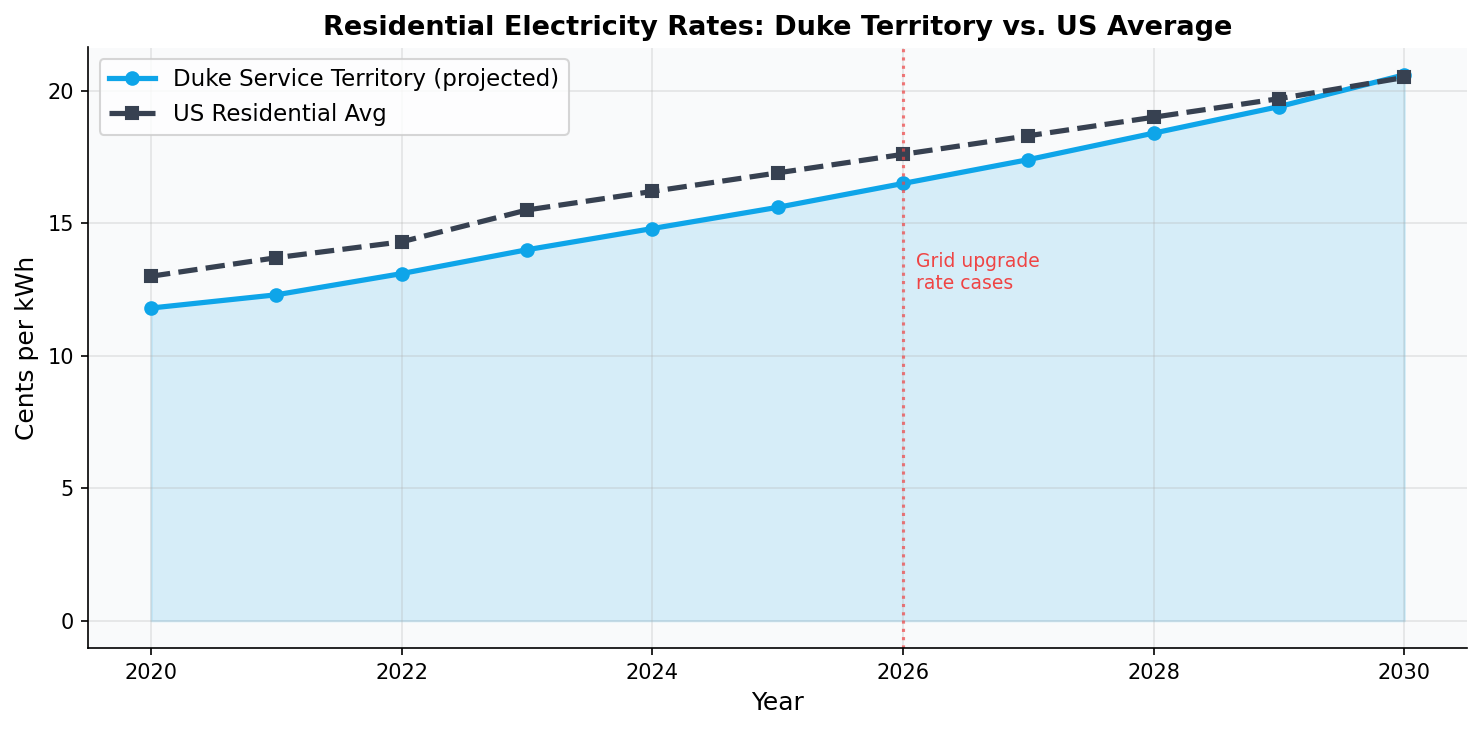
Either way, the financial pressure on residential customers is mounting. Lawrence Berkeley National Laboratory tracked an average residential electricity rate increase of 4.7% nationally in 2024, and projections for 2026–2028 in Duke's service territory run even higher (LBNL, 2025).
Why This Matters for Your Monthly Bill
Utility rate cases are slow, technical, and easy to ignore — until the bill arrives. A few realities homeowners should plan around:
- Capital recovery is sticky. Once approved, infrastructure investments are recovered through rates over 20–40 years. Today's grid spending is tomorrow's permanent rate floor.
- Demand growth is real. The U.S. Department of Energy projects electricity demand to grow 15–20% by 2030, driven by data centers, electrification, and EVs (DOE, 2024).
- Time-of-use pricing is expanding. More utilities are shifting to dynamic rates that punish evening usage — exactly when most households consume the most power.
Translation: even if Duke's plan is scaled back, the structural pressure on rates is going one direction. The households that come out ahead are the ones who hedge.
The Homeowner Hedge: Solar + Battery Storage
Rooftop solar paired with a battery is the most effective consumer hedge against utility rate volatility currently available. According to the Solar Energy Industries Association (SEIA), attaching a battery to a residential solar system increases self-consumption from roughly 30% to 70%+, dramatically reducing exposure to retail rates.
The economics have also shifted in interesting ways:
1. Equipment costs keep falling
NREL's 2024 benchmark report shows residential solar installed costs continued their long-run decline, with battery storage costs dropping more than 70% since 2015 (NREL, 2024).
2. State and utility incentives are still strong
While the federal 30% Investment Tax Credit expired for purchased residential systems at the end of 2025, many states — including North Carolina, South Carolina, Florida, and Indiana, all in Duke territory — have rebates, performance payments, or net metering rules worth thousands. Lease and PPA structures from third-party owners can still capture federal credits and pass savings through.
3. Battery-only retrofits are increasingly viable
If you already have solar, adding a battery now lets you arbitrage time-of-use rates and ride through outages — particularly valuable as Duke's grid hardens (and bills) ramp up.
How to Find Out What You Qualify For
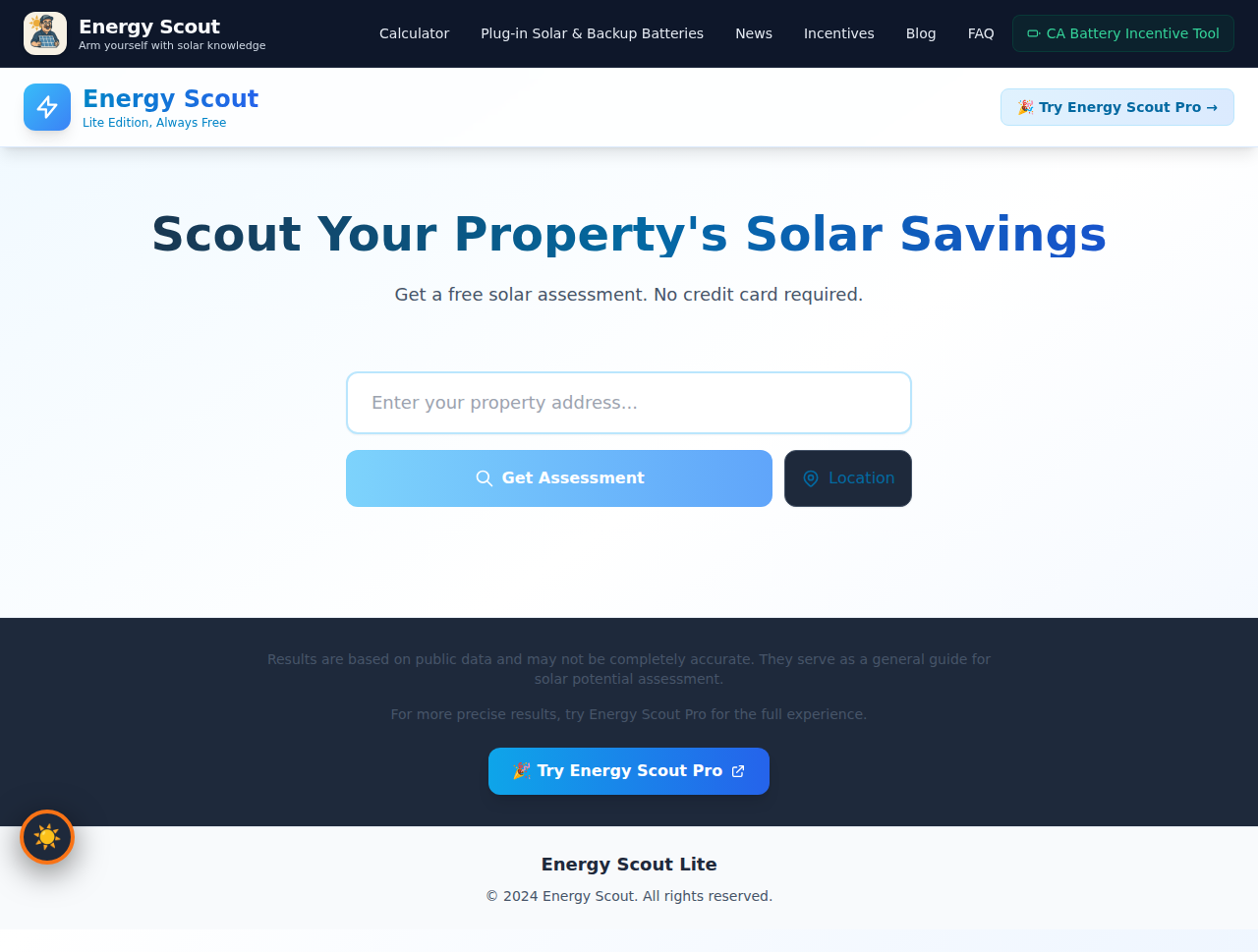
Step one is knowing exactly what your home and ZIP code unlock. EnergyScout makes this fast and free:
- Free Solar Assessment — Enter your address and get a personalized estimate of system size, generation, and 25-year savings using NREL's PVWatts data.
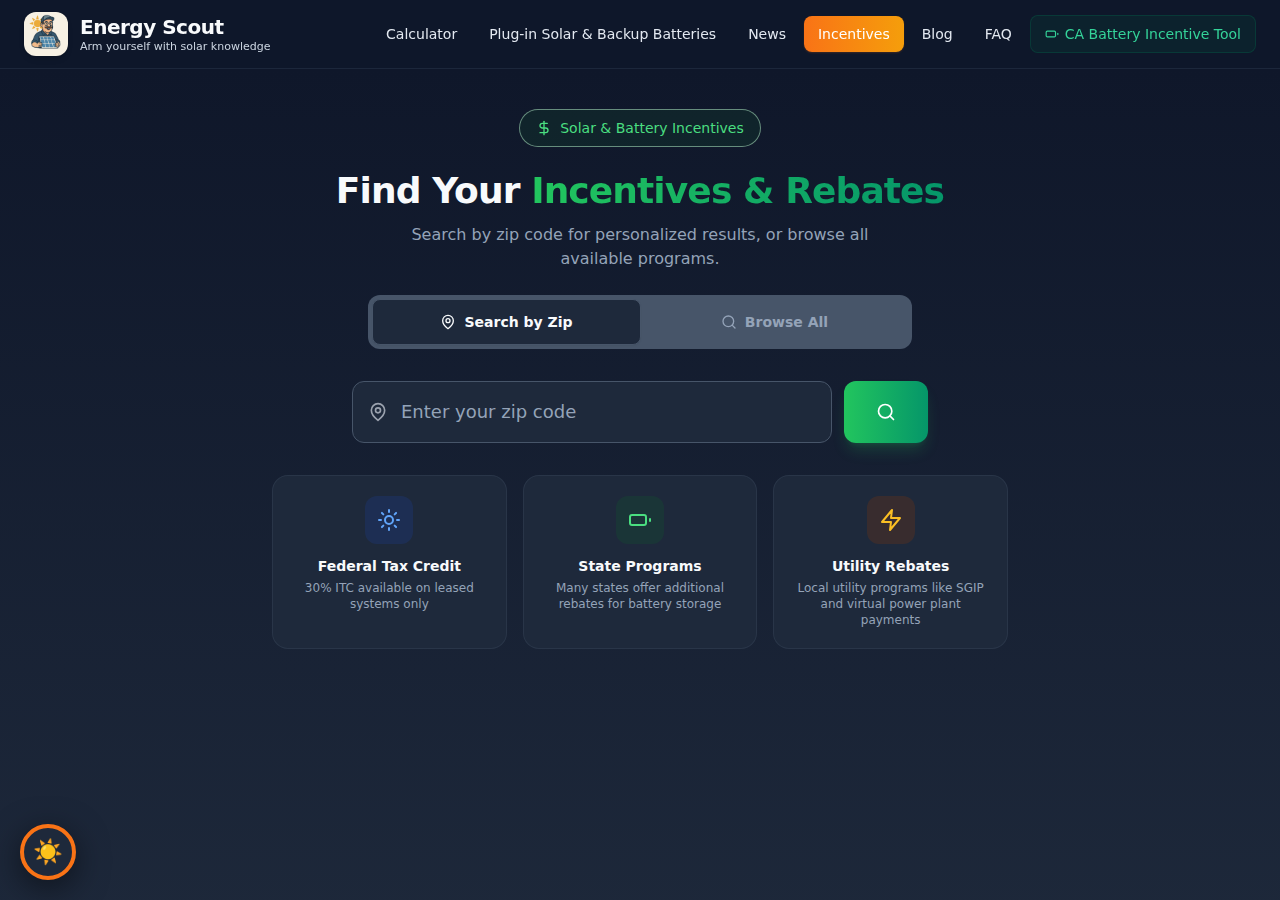
- Incentives Search — Pull every state, utility, and local rebate available at your specific ZIP code, including Duke Energy programs.
- Vetted Local Installers — Compare installers in your area with verified reviews, licensing, and pricing transparency.
What the Co-Ops Want — And Why It Matters
The electric cooperatives challenging Duke aren't anti-grid — they're arguing for least-cost planning. That framework, used by progressive regulators like the California Public Utilities Commission, requires utilities to evaluate whether distributed energy resources (DERs) can defer or replace traditional infrastructure spending (CPUC).
The implication for homeowners is striking: every kilowatt of behind-the-meter solar and every battery on a residential wall reduces system peak demand. That's exactly the kind of distributed capacity that can offset multi-hundred-million-dollar substation rebuilds. In other words, your rooftop is part of the solution the co-ops are advocating for.
Three Moves to Make This Quarter
If you live in Duke territory — or anywhere with active rate cases — here's a practical playbook:
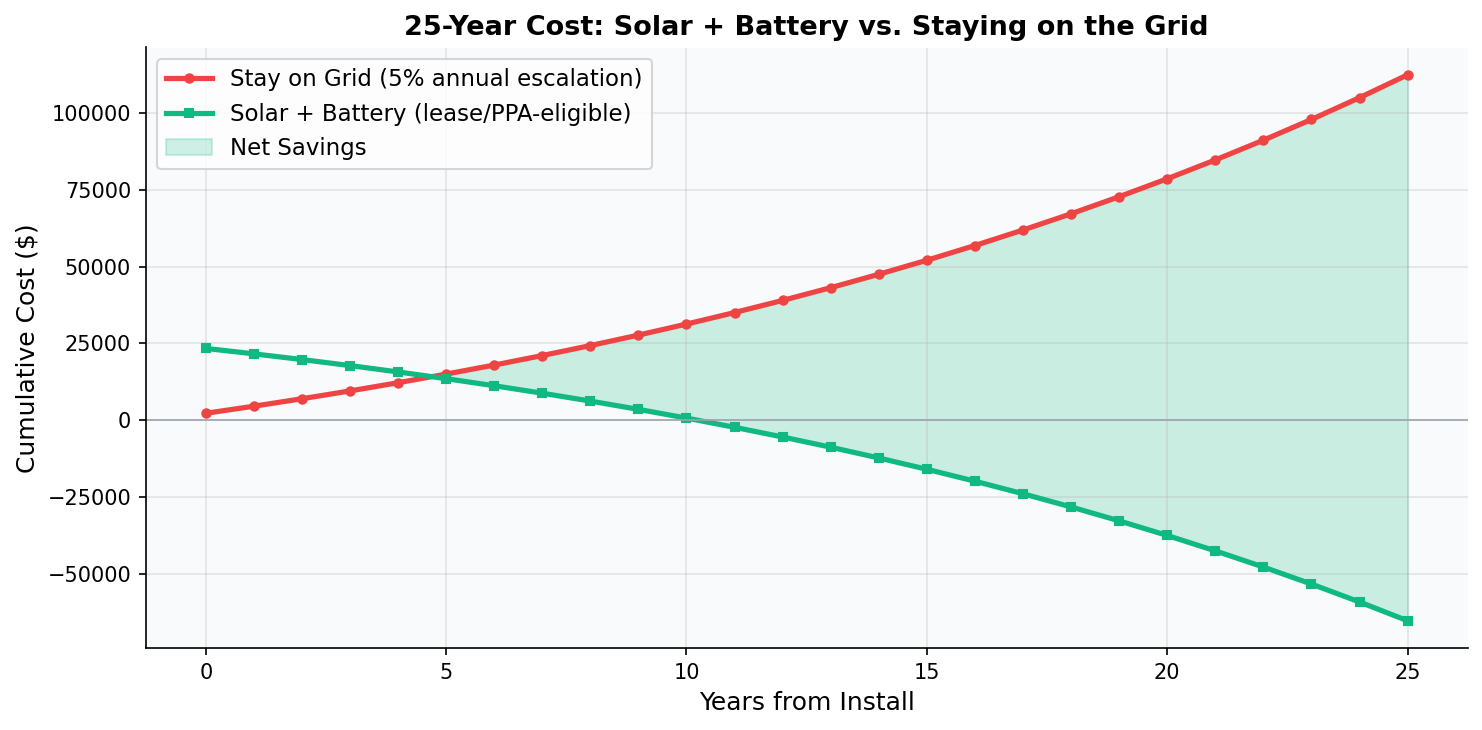
- Run the numbers. Use a free assessment tool to model your potential savings against projected utility rate increases, not today's bill. A 5% annual rate hike compounds dramatically over 25 years.
- Stack incentives. Combine state rebates, utility programs, and — if you're going lease/PPA — third-party federal credit pass-throughs. According to EnergySage, average system payback in 2025 ranged from 7–10 years depending on state and incentive stack.
- Get multiple quotes. Pricing varies up to 40% between installers in the same ZIP code. Use a vetted marketplace rather than the first door-knocker.

The Bottom Line
The Duke Energy fight is a preview of what's coming nationwide: aging grids, surging demand, and ratepayers footing the bill. Regulators may trim Duke's plan at the margins, but the trajectory of utility rates is clear. Homeowners who act now — with the right system, the right financing structure, and the right installer — can convert decades of rate uncertainty into 25 years of predictable energy costs.
Don't wait for the next rate case to land in your mailbox. Run your free EnergyScout assessment today and see what your roof — and your wallet — can do.
More Articles
Do Solar Panels Work During a Power Outage?
Most homeowners assume solar panels keep the lights on when the grid goes down. The actual answer surprises people — and the fix is simpler than you think.
Read article Battery StorageChile Hit 75% Solar in March. Here's What U.S. Homeowners Should Take From It
Chile's grid produced 29% of its electricity from solar in March, with peaks at 75%. The bottleneck wasn't generation — it was storage and transmission. Here's the homeowner takeaway.
Read article