Net Metering Changes: Protect Your Solar Savings Today
States across the country are revising net metering policies, replacing 1:1 credits with lower export rates.
If you've been watching the solar news lately, you've probably seen headlines about net metering rules being rewritten state by state. California's NEM 3.0 cut new export credits by roughly 75%. Arizona, Nevada, Hawaii, and now states like Indiana, Mississippi, and North Carolina have all rolled out replacements for traditional 1:1 net metering. The good news? These changes are predictable, navigable, and in many cases increase the value of going solar today rather than waiting.
This guide explains what net metering changes actually mean for your wallet, why grandfathering rules matter more than ever, and how to use EnergyScout's tools to lock in the best possible economics for your home.
What Net Metering Actually Does
Net metering is the billing arrangement that lets your utility track solar energy you export to the grid and credit it against energy you pull back. Under traditional 1:1 net metering, every kWh you sent out was worth exactly one kWh of consumption credit, often valued at the full retail rate of $0.15–$0.45 depending on your utility (EIA, 2024). That arrangement made the economics of rooftop solar simple and powerful.
According to the National Renewable Energy Laboratory, net metering has been the single largest policy driver of distributed solar adoption in the United States since the early 2000s, supporting more than 5 million residential systems through 2024 (NREL, 2024).
Why States Are Changing the Rules
Three pressures are pushing states toward new compensation structures:
- Cost-shift concerns: Utilities argue that retail-rate exports shift fixed grid costs onto non-solar customers. Lawrence Berkeley Lab's 2023 review found the actual cost-shift is small at current penetration levels, but the political pressure remains real.
- Duck curve dynamics: As more solar feeds the grid midday, wholesale prices crash during peak production hours. The California Public Utilities Commission (CPUC) cited this directly when adopting NEM 3.0 in 2023.
- Battery economics: Storage costs have fallen 89% since 2010 (DOE, 2024), making it economically reasonable for utilities to value exports closer to avoided-cost rates.
The Three Common Replacement Models
1. Net Billing (Avoided Cost Export)
You're billed retail for grid imports, but exports are credited at a much lower wholesale or avoided-cost rate, often $0.04–$0.08 per kWh. California's NEM 3.0 is the highest-profile example.
2. Time-of-Use (TOU) Net Metering
1:1 credits remain, but only within the same time-of-use period. Exporting at noon earns a midday credit; using at 7pm requires more expensive evening kWh. Several Arizona and Nevada utilities use this hybrid.
3. Buy-All / Sell-All
Less common, but used in parts of the Southeast. The utility buys 100% of your solar production at one rate and sells you 100% of your usage at another. Indiana and Mississippi cooperatives have variations.
Why Grandfathering Is the Most Valuable Word in Solar
Almost every state that has changed net metering rules has included a grandfathering provision: existing solar customers who installed before the cutoff date keep the old rules for 10–25 years. California grandfathered NEM 2.0 customers for 20 years. Arizona protects pre-2017 systems for 20 years from interconnection. Hawaii's Customer Grid Supply Plus customers retain their tariff for 25 years (CPUC, 2023; SEIA, 2024).
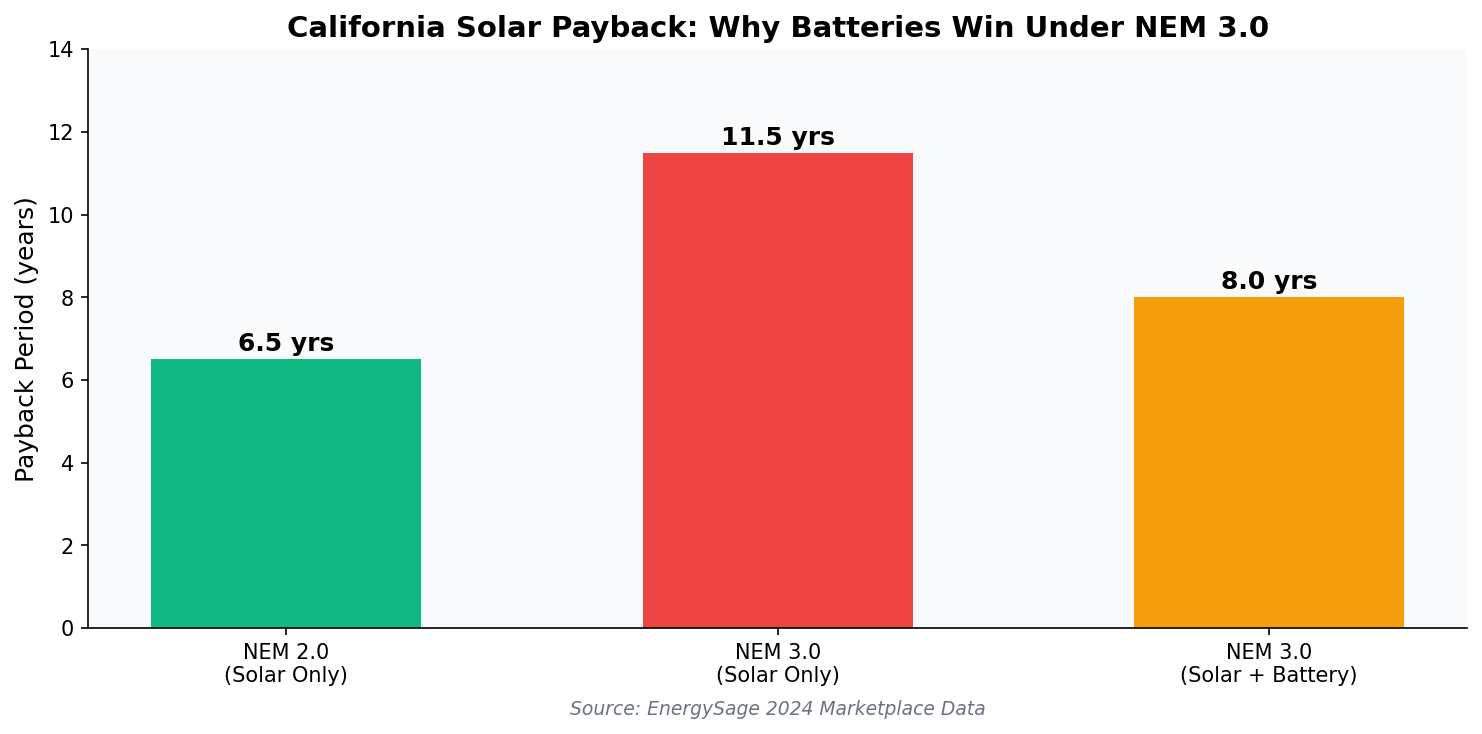
This is enormous. Locking in today's rules can be worth tens of thousands of dollars in lifetime savings versus a system installed under a less favorable replacement tariff. According to EnergySage 2024 data, California homeowners who installed under NEM 2.0 see payback periods around 6–7 years. New NEM 3.0 customers without batteries are looking at 10–13 years.
Why Batteries Change the Math (and Often Win)
Here's the counterintuitive part: post-net-metering tariffs often make solar+battery systems more attractive, not less. When export rates drop, self-consumption becomes the priority. A battery lets you store noon production and use it during 4pm–9pm peak hours, capturing full retail value instead of selling for pennies.
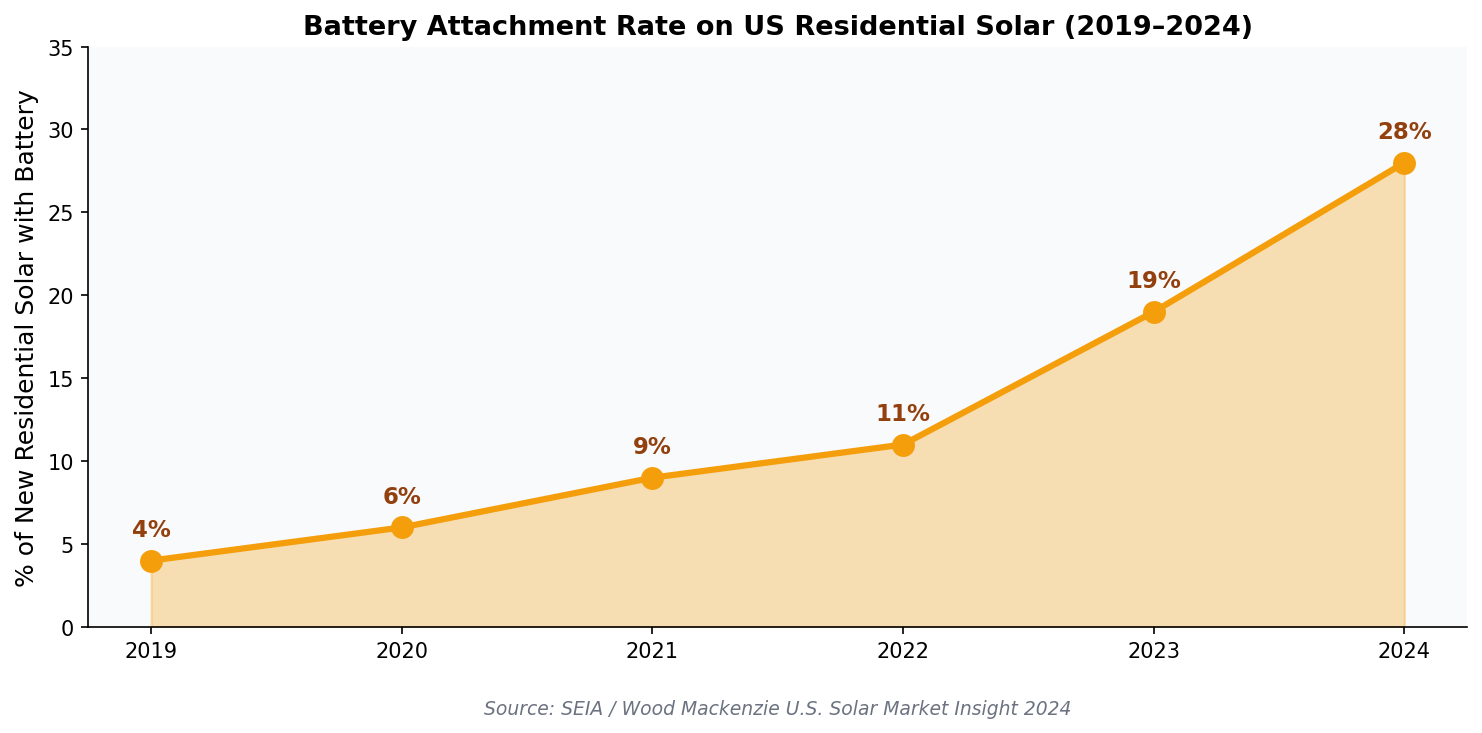
EnergySage's 2024 marketplace data shows California NEM 3.0 systems with batteries achieve payback in 7–9 years, very close to the old NEM 2.0 timelines. SEIA modeling estimates that battery attachment rates on new residential solar nationally jumped from 11% in 2022 to over 28% in 2024, driven primarily by net-metering reforms (SEIA, 2024).
State-by-State: Where Things Stand in 2026
While rules vary, the trend is consistent. Here's a quick read on where rules have shifted or are pending:
- California: NEM 3.0 active since April 2023.
- Arizona: Net billing active since 2017; export rates decline annually.
- Hawaii: Smart Export and Customer Grid Supply Plus replaced NEM in 2015.
- Nevada: NEM 2.0 with three tiered rates based on penetration milestones.
- Indiana: Excess Distributed Generation (EDG) tariff replaced 1:1 net metering for new customers in 2022.
- North Carolina: Bridge Rate transitioning to TOU-based net billing in 2027.
- Mississippi, South Carolina, Kentucky: Net billing proposals under regulatory review.
- Most other states: Traditional 1:1 net metering still active, but reviews are increasingly common.
How to Protect Yourself in a Changing Policy Environment
1. Get Your Solar Application Submitted Before Cutoffs
Grandfathering eligibility is almost always tied to interconnection application date, not project completion. Even a few weeks can mean the difference between 20 years of favorable rates and a less generous tariff.
2. Plan for Battery Storage From Day One
Even if your state still has 1:1 net metering, the trend is clear. Wiring your home and inverter for future battery integration costs little upfront and is much cheaper than a retrofit later. The DOE Office of Energy Efficiency & Renewable Energy notes that storage-ready inverters add typically 5–10% to system cost while preserving full upgrade flexibility.
3. Use a Trusted Local Installer
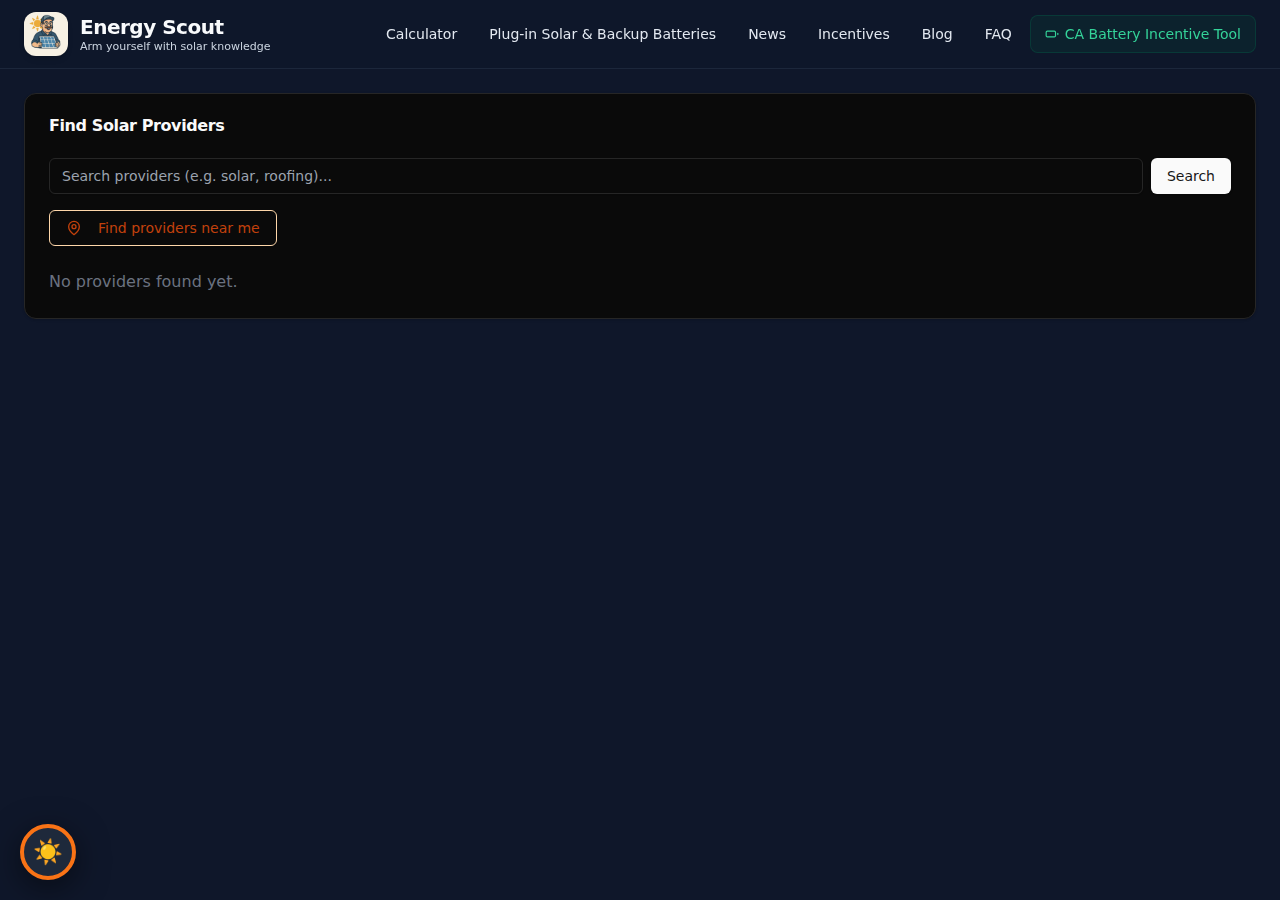
Local installers know your state's interconnection queue, rebate programs, and utility quirks far better than national lead-aggregators. EnergyScout's verified installer directory lets you compare local pros with transparent ratings and project history.
4. Stack Every Available Incentive
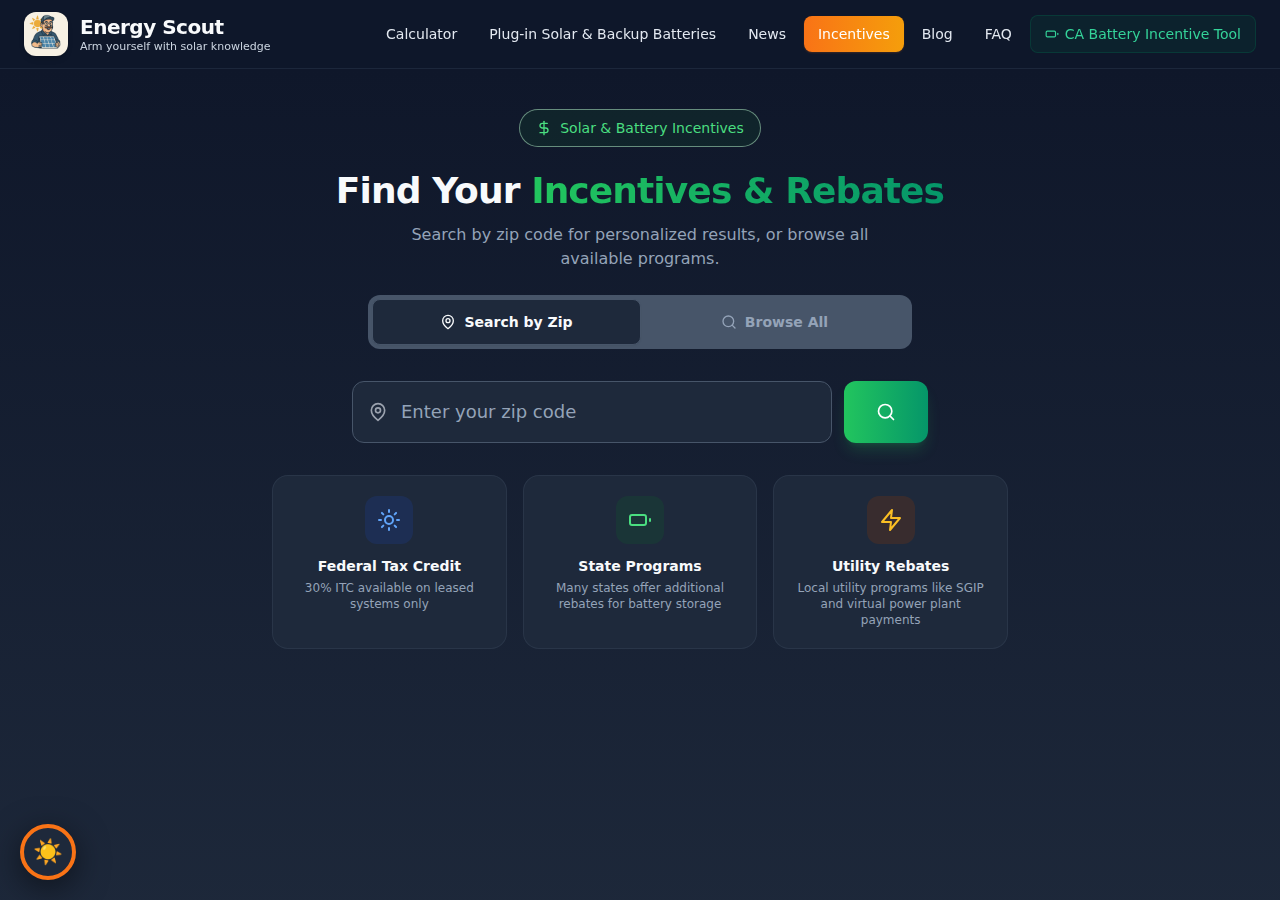
Federal 30% ITC eligibility for purchased systems ended at the close of 2025. Leases and PPAs still qualify, with the tax benefit flowing to the leasing company and typically returned to you as lower monthly payments. State and utility incentives, however, are very much alive — many states have actually expanded rebates and storage incentives to compensate for net metering reforms. Use EnergyScout's zip-code incentive search to find every program available in your area.
The Bigger Picture: Solar Still Wins
It's easy to read net metering changes as bad news, but the broader economics tell a different story. Solar panel prices have fallen 90% since 2010 (NREL, 2024). Battery costs continue to fall. Electricity rates have risen at roughly 4% annually over the last five years (EIA, 2024) and are forecast to keep climbing as utilities invest in grid hardening, transmission, and capacity.
That means the value of every kWh you self-generate keeps rising even as export credits fall. A solar+battery system installed today is, in most U.S. markets, the cheapest reliable energy a homeowner can produce.
Take the Next Step
Don't wait for your state to announce a rule change to find out what your home is worth. EnergyScout's free tools give you a personalized analysis in minutes — system size, expected savings, available incentives, and a shortlist of vetted local installers — with zero pressure and no spam calls.
Start your free EnergyScout assessment today and lock in today's rules before tomorrow's policy changes catch up with your zip code.
More Articles
Do Solar Panels Work During a Power Outage?
Most homeowners assume solar panels keep the lights on when the grid goes down. The actual answer surprises people — and the fix is simpler than you think.
Read article Battery StorageChile Hit 75% Solar in March. Here's What U.S. Homeowners Should Take From It
Chile's grid produced 29% of its electricity from solar in March, with peaks at 75%. The bottleneck wasn't generation — it was storage and transmission. Here's the homeowner takeaway.
Read article