Oman's 100,000-Ton Polysilicon Plant: What It Means for You
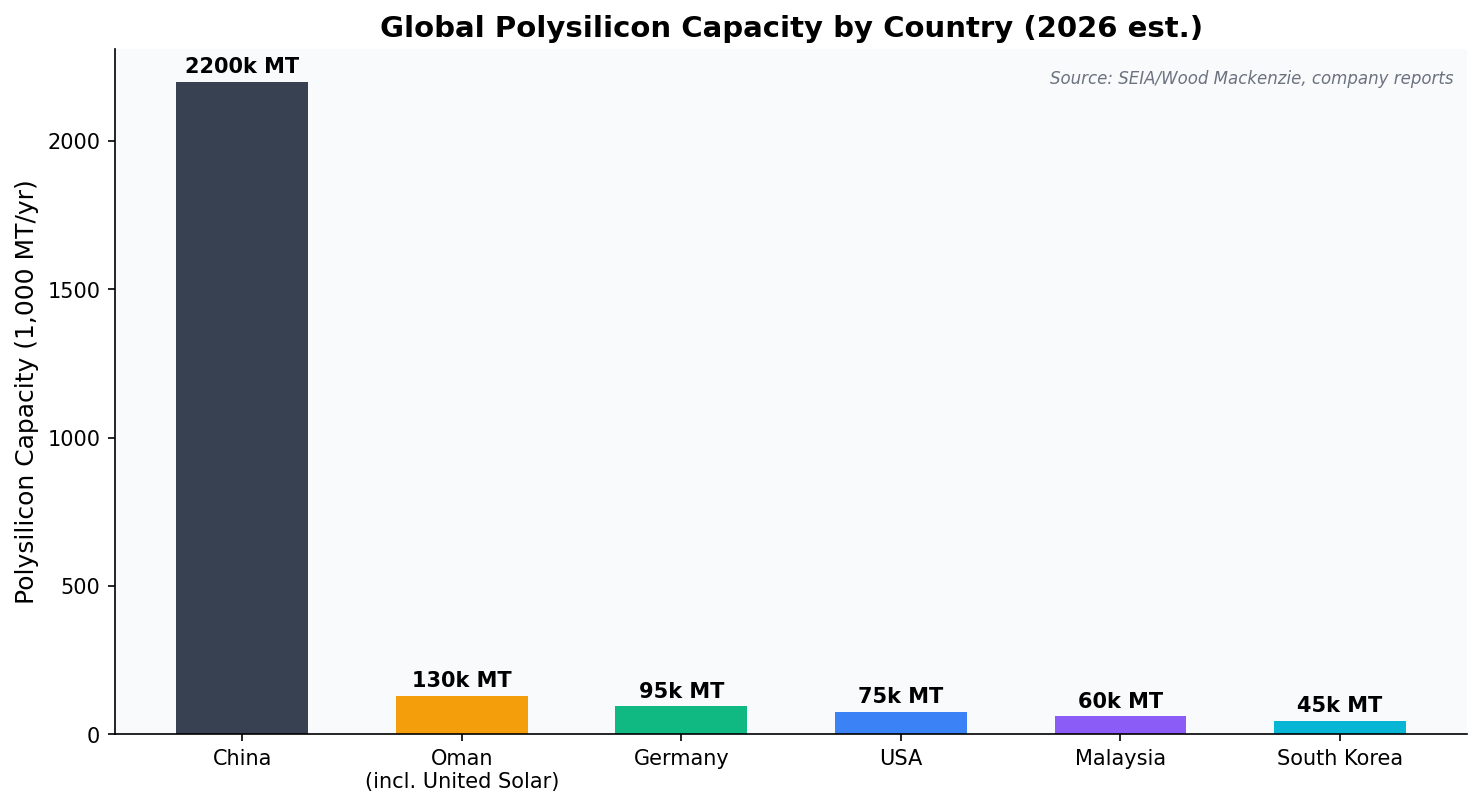
United Solar just fired up a 100,000-metric-ton polysilicon plant in Oman — the largest outside China. Here's what this supply chain shift means for U.S.
On April 21, 2026, pv magazine reported that United Solar's new polysilicon facility in Oman has begun commercial production at a staggering 100,000 metric tons per year — enough raw feedstock to manufacture roughly 40 gigawatts of solar modules annually. That's the largest polysilicon plant anywhere on Earth outside of China, and it's a big deal for any American homeowner thinking about solar.
Why should you care about a factory halfway across the world? Because the panels on your roof start as sand-and-silicon chemistry in a plant just like this one. And where that chemistry happens — and under what rules — increasingly determines what you pay, which incentives you qualify for, and how quickly your installer can actually get panels in hand.
What actually happened in Oman
United Solar's Sohar-based facility is now producing FEOC-compliant (Foreign Entity of Concern) polysilicon with full ESG audits. Translation: panels made with this material can be legally imported into the United States without tripping the Uyghur Forced Labor Prevention Act (UFLPA) detention rules that have snarled shipments at U.S. ports since 2022 (CBP UFLPA guidance).
The plant is explicitly targeting module makers in the United States, India, and Southeast Asia who want to diversify away from Chinese supply. According to the SEIA/Wood Mackenzie Solar Market Insight, China still controls roughly 80% of global polysilicon capacity — so adding a non-Chinese 100,000-ton node meaningfully reshuffles the chessboard.
Why this matters for your rooftop
Here's the homeowner translation, in three parts:
1. Panel availability should improve in late 2026 and 2027
Tariffs and UFLPA enforcement have caused real delays. Lawrence Berkeley Lab's Tracking the Sun report shows average residential project completion times stretched from 90 days in 2019 to over 130 days in 2024, largely due to equipment backlogs. More diverse feedstock sources mean more reliable panel shipments — and shorter waits between when you sign a contract and when panels go up.
2. Module prices may stabilize, not crash
Don't expect a fire sale. The U.S. Energy Information Administration tracks module spot prices, and while Chinese mono-PERC panels trade around $0.10–$0.13/watt, U.S.-landed modules still cost $0.30–$0.40/watt after tariffs. A new FEOC-compliant supply lane can put downward pressure on that premium — but it won't undercut Chinese pricing in the short term. For homeowners, that means the installed system price of roughly $3.00–$3.50/watt today is likely to hold steady or drift modestly lower through 2027.
3. Your installer's panel brand may quietly change
Many tier-1 brands (Qcells, Silfab, Mission Solar, Hanwha) already source polysilicon from multiple continents. Expect to see more "made in USA with Omani polysilicon" on datasheets. That's actually good news for warranty reliability: diversified supply means your installer is less exposed to a single country's export controls.
The 2026 incentive reality — read this carefully
A critical reminder that gets buried in a lot of solar news coverage: the federal 30% Residential Clean Energy Credit (the "ITC") for purchased systems expired at the end of 2025. If you buy a solar system outright or finance it with a loan in 2026, you do not get the 30% federal tax credit.
There's one important exception: third-party-owned systems (leases and PPAs) still qualify under the commercial Section 48 ITC, which the system owner (the leasing company) captures and passes through as lower monthly payments. The DOE's Homeowner's Guide has the current rules.
So what's left for 2026 buyers?
- State income tax credits — New York (25%), South Carolina (25%), Arizona (25% up to $1,000), and others.
- State rebate programs — California SGIP for batteries, New York NY-Sun, Massachusetts SMART.
- Utility rebates — many co-ops and municipal utilities still offer $500–$2,500 per system.
- Property tax exemptions — 36 states exempt solar equipment from property tax reassessment.
- Net metering credits — though rules vary wildly (California's NEM 3.0 significantly reduced credit values per CPUC).
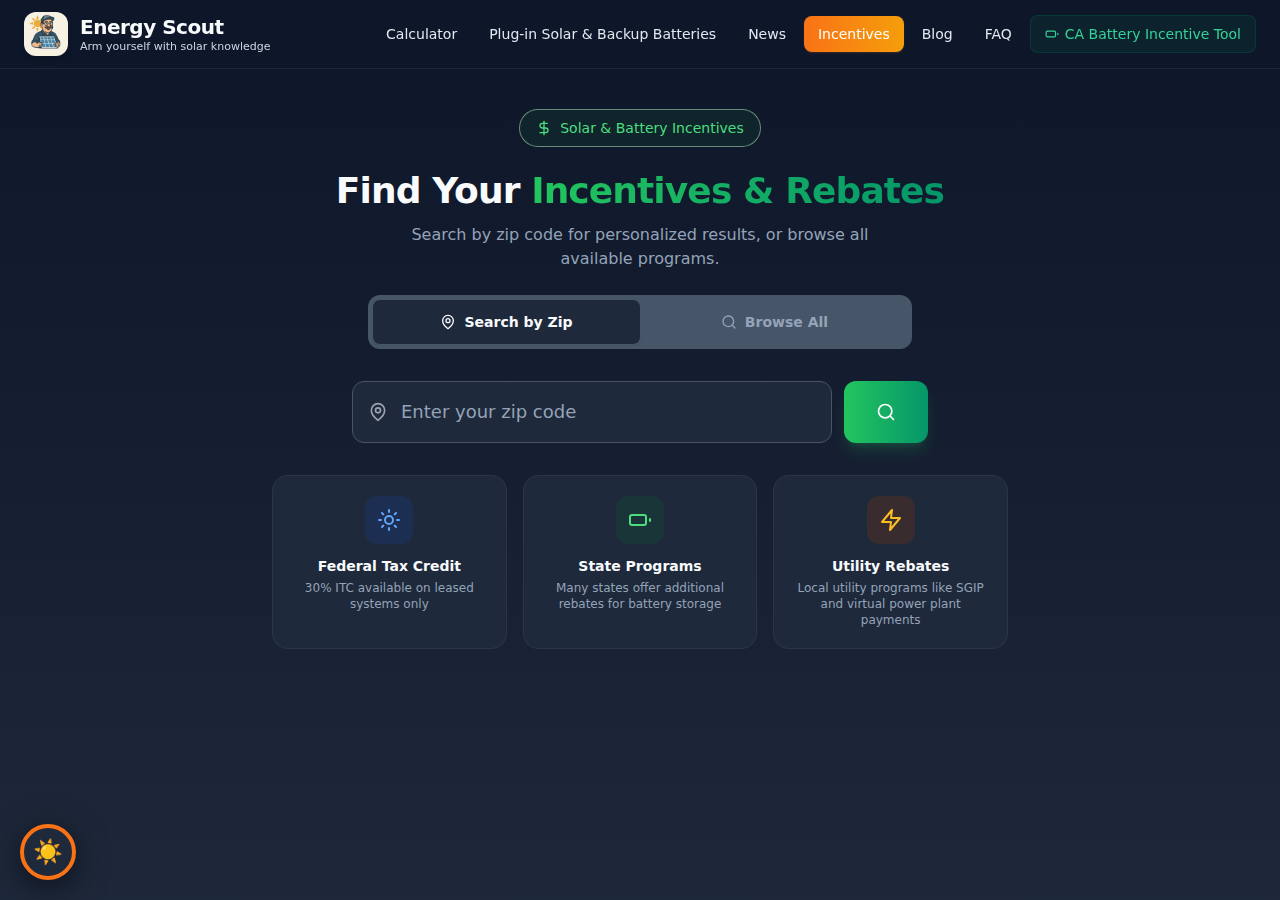
Our ZIP-code incentive search tool pulls state, utility, and local programs in real time — start there to see what's actually available where you live.
The battery angle that's getting stronger
Here's where Oman's polysilicon boom intersects with another trend: battery storage attach rates. EnergySage data shows roughly 41% of residential solar quotes in 2024 included storage, up from 10% in 2020. With more module supply available and NEM 3.0-style rules spreading, batteries are no longer optional in high-export states.
The good news: California's Self-Generation Incentive Program (SGIP) still offers $150–$1,000/kWh for battery installations, and equity-resiliency tiers can cover nearly 100% of battery costs for qualifying households. Several other states (Massachusetts ConnectedSolutions, New York NYSERDA) have equivalent programs.
A 5-year look at solar's march
Zoom out: supply chain diversification isn't a blip, it's the trend. Solar's share of U.S. electricity generation has doubled in five years and is projected to keep climbing even with tariff headwinds.
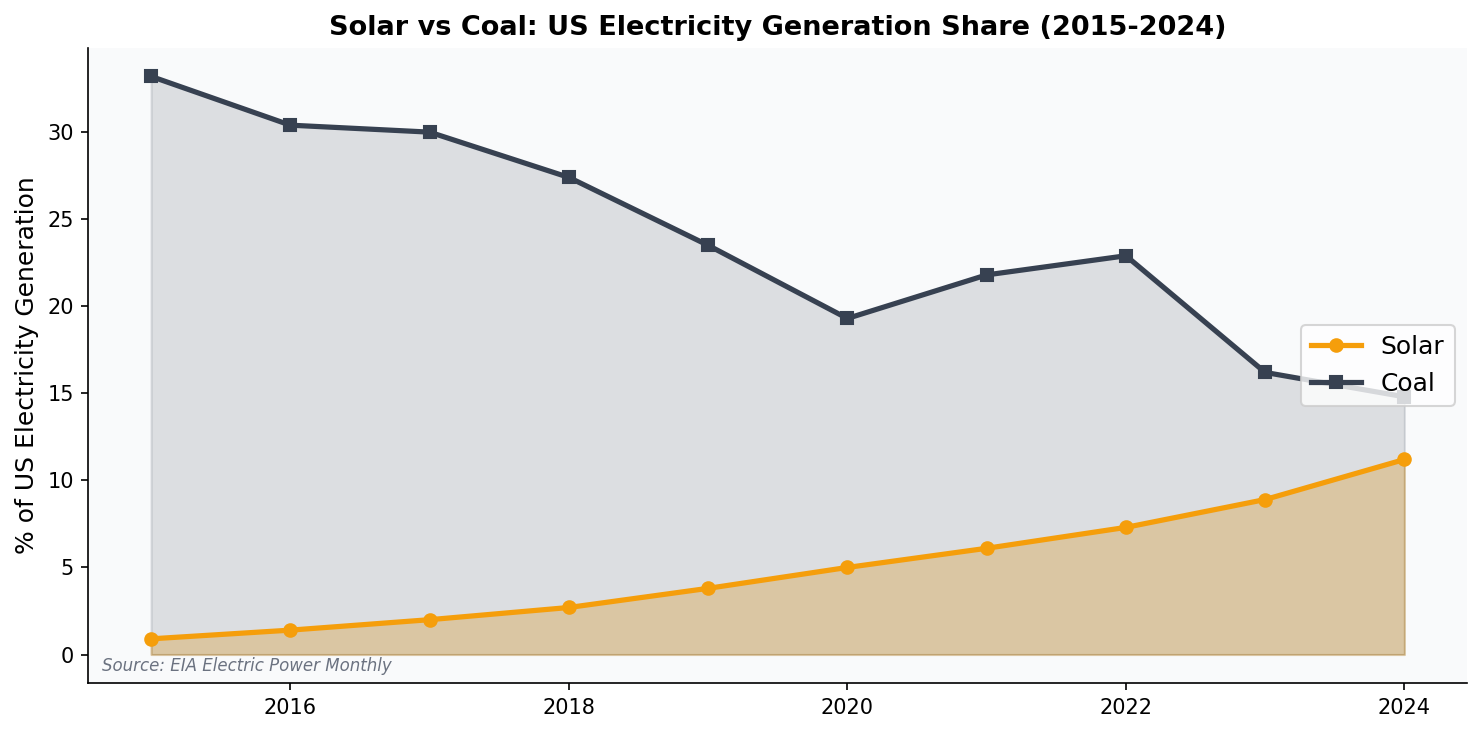
NREL's Q4 2024 Solar Industry Update projects 33–42 GW of annual U.S. solar additions through 2028, with residential making up roughly 10–12% of that volume. Put simply: the installers you'll compare quotes from are about to have steadier access to panels, more brand choices, and more negotiating leverage with their distributors.
Practical steps if you're shopping solar in 2026
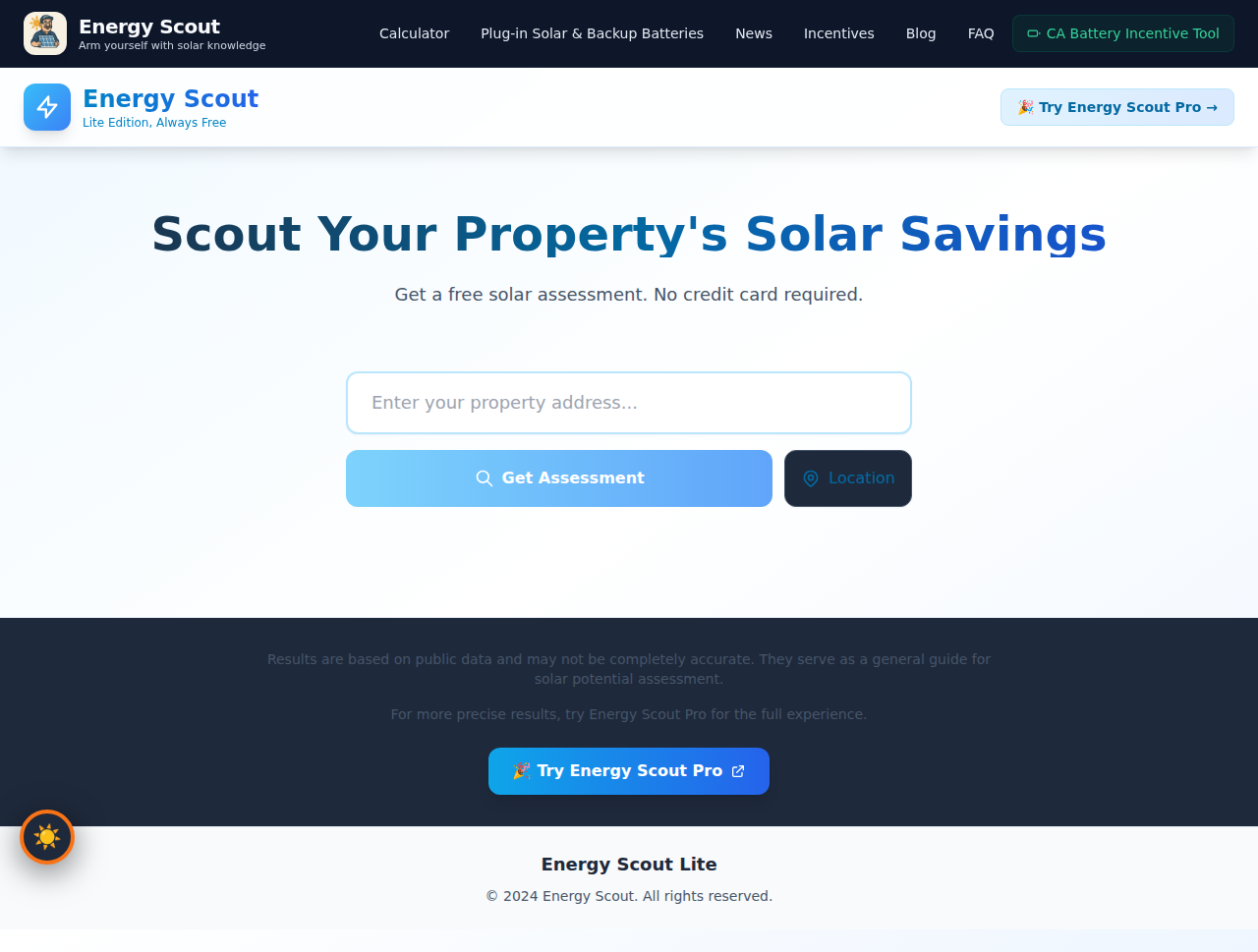
- Get a baseline estimate first. Before you talk to anyone selling, run your address through our free solar assessment tool. It uses NREL's PVWatts model to show realistic production and payback for your roof.
- Ask installers where panels are sourced from. A good installer will tell you the module brand and country of origin without hesitation. Bonus points if they volunteer the polysilicon source.
- Compare lease/PPA vs. cash/loan math carefully. With the 30% ITC gone for purchases, the relative math has shifted in 2026. Leases capture the commercial ITC; loans don't. Run both scenarios.
- Stack local incentives. State, utility, and municipal programs still exist — they just take work to find. Start with our ZIP-code search.
- Vet your installer. Look for NABCEP-certified installers with 5+ years in your area. Our provider directory pulls ratings from Google Places in real time.
The big picture
A polysilicon plant in Oman sounds distant, but it's part of a global re-wiring of how solar gets made. For American homeowners, the practical upshot is steadier panel availability, more supply-chain transparency on datasheets, and — if you shop carefully — prices that hold or soften even in a post-ITC-purchase world.
The solar math still works in 2026. It just requires a little more homework than it did two years ago. Start with a free, unbiased assessment of your home.
Ready to see what solar could do for your roof? Get a personalized estimate in under 60 seconds at energyscout.org/assessment — no email required, no sales calls, just honest numbers.
More Articles
Do Solar Panels Work During a Power Outage?
Most homeowners assume solar panels keep the lights on when the grid goes down. The actual answer surprises people — and the fix is simpler than you think.
Read article Battery StorageChile Hit 75% Solar in March. Here's What U.S. Homeowners Should Take From It
Chile's grid produced 29% of its electricity from solar in March, with peaks at 75%. The bottleneck wasn't generation — it was storage and transmission. Here's the homeowner takeaway.
Read article